Highlights
Volcan Mountain Wilderness Preserve and Cuyamaca Rancho State Park, both within 15 minutes of Julian, California, are San Diego County's premier oak woodland birding sites — Acorn Woodpecker colonies, Western Bluebirds, and spring warbler migration from April through May.
Quick Answer
Julian, California at 4,200 feet sits in the middle of San Diego County's finest oak woodland habitat — and that's not hyperbole. Volcan Mountain Wilderness Preserve (4.5 miles round trip, free) hosts some of the most accessible Acorn Woodpecker colonies in Southern California; you'll hear them from the parking lot. Cuyamaca Rancho State Park, 15 minutes south, adds meadow, riparian, and mixed conifer habitat to the mix. Together they make Julian the best base for mountain birding in San Diego County, with spring migration (April–May) as the absolute peak.
| Key Info | Details |
|---|---|
| Primary Sites | Volcan Mountain Wilderness Preserve, Cuyamaca Rancho State Park |
| Distance from Julian | Both within 15 miles of town center |
| Permit Required | None at Volcan Mountain; Cuyamaca day-use $10/vehicle |
| Signature Species | Acorn Woodpecker, Western Bluebird, Lawrence's Goldfinch, California Thrasher |
| Best Season | April–May (spring migration), September–October (fall movement) |
| Distance from San Diego | ~1.5 hours via CA-78 E to CA-79 |
🦅 Birdwatching Gear | Explore Julian
Why Julian is San Diego County's Best Oak Woodland Birding
Julian sits right on the transition from coastal chaparral to inland oak woodland — and that gradient matters enormously for birds. Drive up CA-78 from the coast and you move through scrub (California Thrasher, Wrentit, Cactus Wren) into the oak belt (Acorn Woodpecker, Oak Titmouse, Western Scrub-Jay) within 30 miles. Above Julian, the terrain shifts again into black oak and then mixed conifer at Cuyamaca (Mountain Quail, White-breasted Nuthatch, Western Bluebird nesting in boxes). Three distinct communities within a 15-mile radius.
The Acorn Woodpecker is the symbol of this landscape, and Julian has spectacular colonies. These are highly social birds — a group of 2–12 birds defends a "granary tree," a dead snag or telephone pole riddled with thousands of holes stuffed with individual acorns. The noise they make (a raucous, repeated waka-waka-waka) is impossible to miss. Volcan Mountain's trailhead area has at least two active colonies, and the birds are remarkably tolerant of observers — you can stand 20 feet away and watch them cache, retrieve, and defend acorns for as long as you want.
Spring migration is what separates Julian from other oak woodland sites. The Cuyamaca Mountains funnel migrants moving north through the transverse mountain ranges, and in April–May, the oak woodland fills with species you don't see here in summer: Yellow Warbler, Black-throated Gray Warbler, Cassin's Vireo, Olive-sided Flycatcher. A good April morning at Volcan Mountain can produce 35+ species without trying hard.
Best Birding Sites
Volcan Mountain Wilderness Preserve
This 2,700-acre preserve managed by San Diego County is the top birding site in the Julian area and one of the best in the county. The main trail gains 1,400 feet over 2.25 miles to the summit, passing through chamise chaparral in the lower section, then into mixed oak woodland, and finally into mountain meadow near the top. Each zone holds different species.
The Acorn Woodpecker action starts at the parking area — look for the granary trees near the trailhead gate and along the first quarter mile. California Thrasher, California Towhee, and Spotted Towhee work the chaparral edge. Mid-trail, the oak woodland opens up with Oak Titmouse, White-breasted Nuthatch, and Hutton's Vireo. The summit meadow in spring holds Western Meadowlark and Horned Lark. Lawrence's Goldfinch — a local specialty that's hard to find reliably elsewhere — appears in small flocks near the oak-chaparral edge in summer.
Access: Volcan Mountain Wilderness Preserve trailhead off Farmer Road, 1.5 miles north of Julian. Free, no permit required. Open Friday–Sunday and holidays; reservations recommended on busy spring weekends (San Diego County Parks website). Dogs on leash allowed.
Cuyamaca Rancho State Park
At 26,000 acres, Cuyamaca is a full day of birding in itself. The park encompasses meadow (Stonewall Meadow for Mountain Quail and Western Bluebird), riparian (Sweetwater River Trail for Yellow Warbler and Willow Flycatcher), and mixed conifer forest (Azalea Spring area for Steller's Jay, Band-tailed Pigeon, and Red-breasted Nuthatch). The park burned heavily in the 2003 Cedar Fire and is still recovering — the regenerating forest patches with standing dead snags are excellent woodpecker habitat.
Western Bluebird is Cuyamaca's signature species — the park maintains a network of nest boxes throughout the meadow areas and the bluebird population has rebounded strongly since the fire. In the right season (March–June), it's not unusual to see 10–15 Western Bluebirds from a single meadow vantage point.
Access: CA-79, 10 miles south of Julian. Day-use fee $10/vehicle. Dogs allowed on leash in day-use areas; not allowed on most trails. Open year-round; some roads close after heavy snow.
William Heise County Park
A smaller, less-visited alternative about 7 miles west of Julian. The park sits in a mixed oak and conifer zone with a creek system that holds riparian species year-round: Bewick's Wren, Common Yellowthroat, Song Sparrow. The campground area is excellent for early-morning birding — arrive before the other campers wake up and the forest is absolutely yours. California Thrasher and California Towhee are reliable in the chaparral edge sections.
Access: End of Heise Park Road off Pine Hills Road. Day-use fee. Dogs on leash allowed.
Species by Season
| Season | Species | Best Site |
|---|---|---|
| Year-round | Acorn Woodpecker, Oak Titmouse, California Thrasher, California Towhee, Spotted Towhee, White-breasted Nuthatch | Volcan Mountain (all), Cuyamaca (meadow edge) |
| Spring (Apr–May) | Black-throated Gray Warbler, Cassin's Vireo, Olive-sided Flycatcher, Yellow Warbler, Lawrence's Goldfinch | Volcan Mountain mid-trail, Cuyamaca riparian |
| Summer (Jun–Aug) | Western Bluebird (nesting), Mountain Quail, Lawrence's Goldfinch, Western Kingbird | Cuyamaca meadows, Volcan Mountain chaparral edge |
| Fall (Sep–Oct) | Townsend's Warbler, Yellow-rumped Warbler, Ruby-crowned Kinglet, migrant raptors | Volcan Mountain (oak canopy), Cuyamaca forest |
| Winter (Nov–Mar) | Mountain Bluebird (irruption years), American Robin flocks, Cedar Waxwing, Dark-eyed Junco | Cuyamaca meadows, Stonewall Meadow |
What to Bring
- Binoculars (8x42). Julian's oak woodland birding is largely close-range — Acorn Woodpeckers at 20 feet, thrashers working brush piles at 30 feet, warblers moving through the canopy at 40 feet. An 8x42 is the right magnification: wide field of view to track moving birds, close focus capability for near encounters. The Nikon Monarch HG 10x42 works well here too, but the extra magnification matters less than at Big Bear's open-water sites.
- Merlin Sound ID app. Free from the Cornell Lab of Ornithology. Oak woodland has a huge number of resident species that are heard far more often than seen — Oak Titmouse, Hutton's Vireo, Bewick's Wren. Sound ID handles these identifications reliably and adds significant value to a morning's birding without any expertise required.
- Layers for early morning. Even in May, Julian mornings start cool — 45–55°F before sunrise. The 4,200-foot elevation keeps the air fresh through mid-morning. A light jacket is worth bringing even on warm forecast days.
- Cash for Cuyamaca. The day-use fee station at Cuyamaca accepts cards, but having $10 cash is faster. Volcan Mountain is free but recommends advance reservations on spring weekends (book online through San Diego County Parks).
Tips & Insider Knowledge
- Arrive at Volcan Mountain before 8am. The Acorn Woodpecker colonies are most active in the first 2 hours of the day — caching, defending territory, and calling constantly. By 10am they tend to settle into quieter patterns. Early arrival also means better parking at the small trailhead lot.
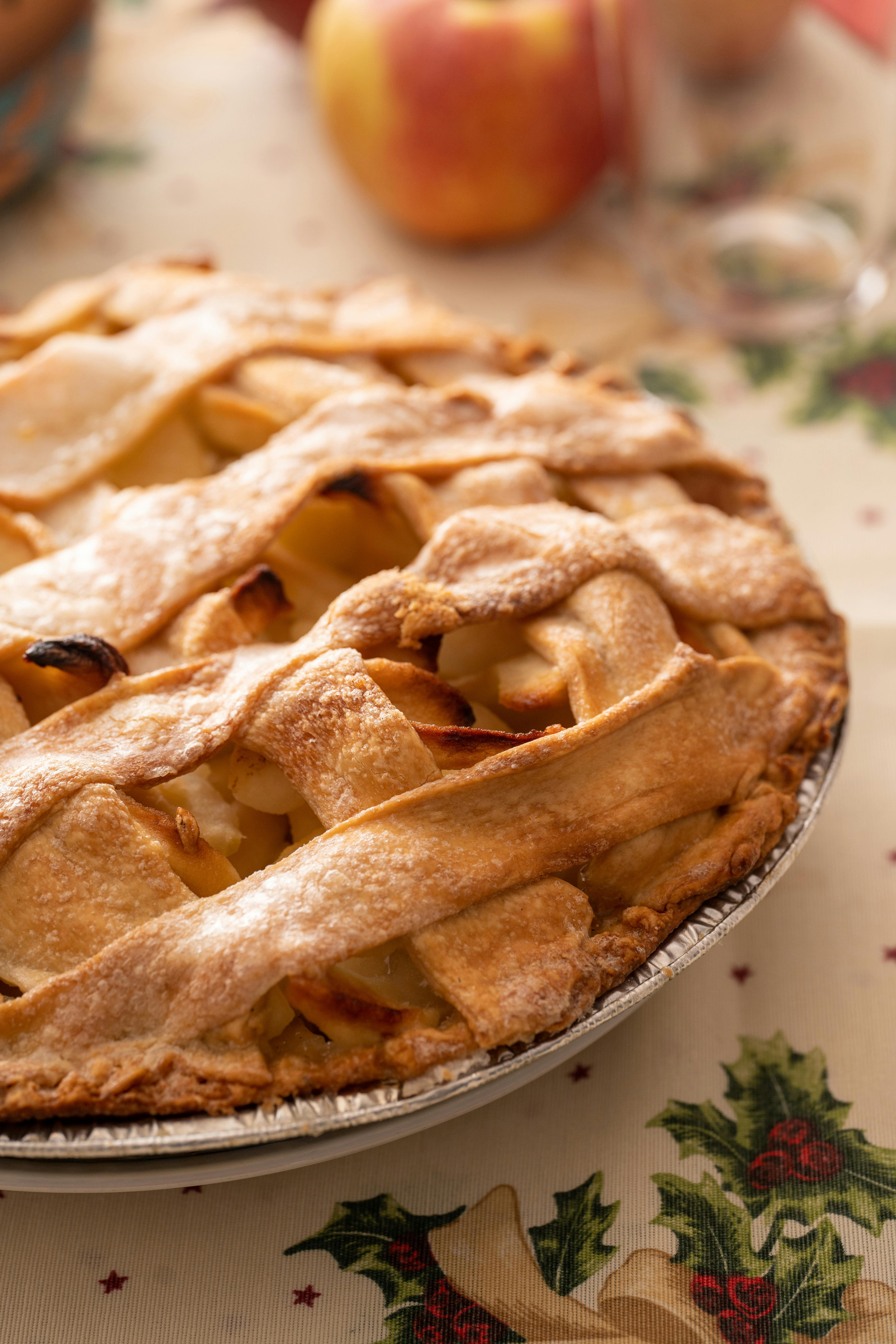
- Combine with apple picking if you visit in fall. Julian is famous for its apple orchards, which peak September through November. A morning of birdwatching at Volcan Mountain followed by apple pie in town is an excellent full day. The orchards themselves hold Acorn Woodpeckers, American Robin, and Cedar Waxwing in fall — birds are everywhere.
- Check the Cuyamaca eBird hotspot before you go. Search "Cuyamaca Rancho State Park" on eBird and filter to the past 7 days. The park has an active birding community that posts checklists regularly — you'll know whether the Mountain Quail are active at Stonewall Meadow or whether a rare species has shown up before you make the drive.
- Dress in layers and watch the weather. Julian receives meaningful snow most winters and has surprise frost events into May. CA-79 through Cuyamaca can close briefly after heavy snow. Check the forecast the morning of your visit and have an extra layer in the car.
FAQs
Q: Is Volcan Mountain Wilderness Preserve free?
A: Yes, Volcan Mountain Wilderness Preserve is free to enter. The preserve is managed by San Diego County Parks and does not charge a day-use fee. On busy spring and fall weekends, they do recommend online reservations for parking (available through the San Diego County Parks website) — but there's no entry fee regardless.
Q: What is the best time of year to go birding near Julian?
A: April and May for the highest species diversity — resident species are in full breeding activity and spring migrants are moving through simultaneously. If you're focused specifically on Acorn Woodpecker, they're present and active year-round. For Western Bluebird nesting, visit June through July at Cuyamaca Rancho State Park.
Q: How far is Julian from San Diego for a day trip?
A: About 60 miles and 1.5 hours via CA-78 East through Ramona. The drive itself passes through excellent chaparral birding habitat — California Gnatcatcher, Cactus Wren, Loggerhead Shrike — so keep your binoculars handy from the car.
Q: Are there rare or unusual birds at Julian?
A: Lawrence's Goldfinch is the local specialty — this California-endemic finch is genuinely hard to find reliably and Volcan Mountain's oak-chaparral edge is one of the better locations in the county. In irruption winters, Cassin's Finch appears in the conifer areas around Cuyamaca. Mountain Quail at Cuyamaca is always a find for visitors from the coast — they're common here but largely absent from coastal San Diego.
Keep Exploring Julian
- Volcan Mountain Trail Guide: Complete Hiker's Overview
- Best Birdwatching in Southern California's Mountain Towns
- What to Do in Julian: Complete Guide
- Explore Julian
Last updated: May 2026. Species lists cross-referenced with eBird data for the Volcan Mountain and Cuyamaca Rancho State Park hotspots. Site access fees and hours verified against San Diego County Parks and California State Parks records. Always confirm Cuyamaca road conditions after winter storms before visiting on CA-79.